Why 20 Volunteers Traded a Snow Day for a School Day
The Connecticut River is one of New England's most symbolic bodies of water, running north to south from Quebec to the Long Island Sound for over 400 miles, and defining the border for roughly half its length between the Green Mountain State of Vermont and the Granite State of New Hampshire. The landscape along much of the border between these two small New England states is quintessentially quaint and picturesque, with mountains that rise sharply up from the east and west banks connected by covered bridges and picture-perfect towns and hamlets nestled into the nooks and crannies.
Image
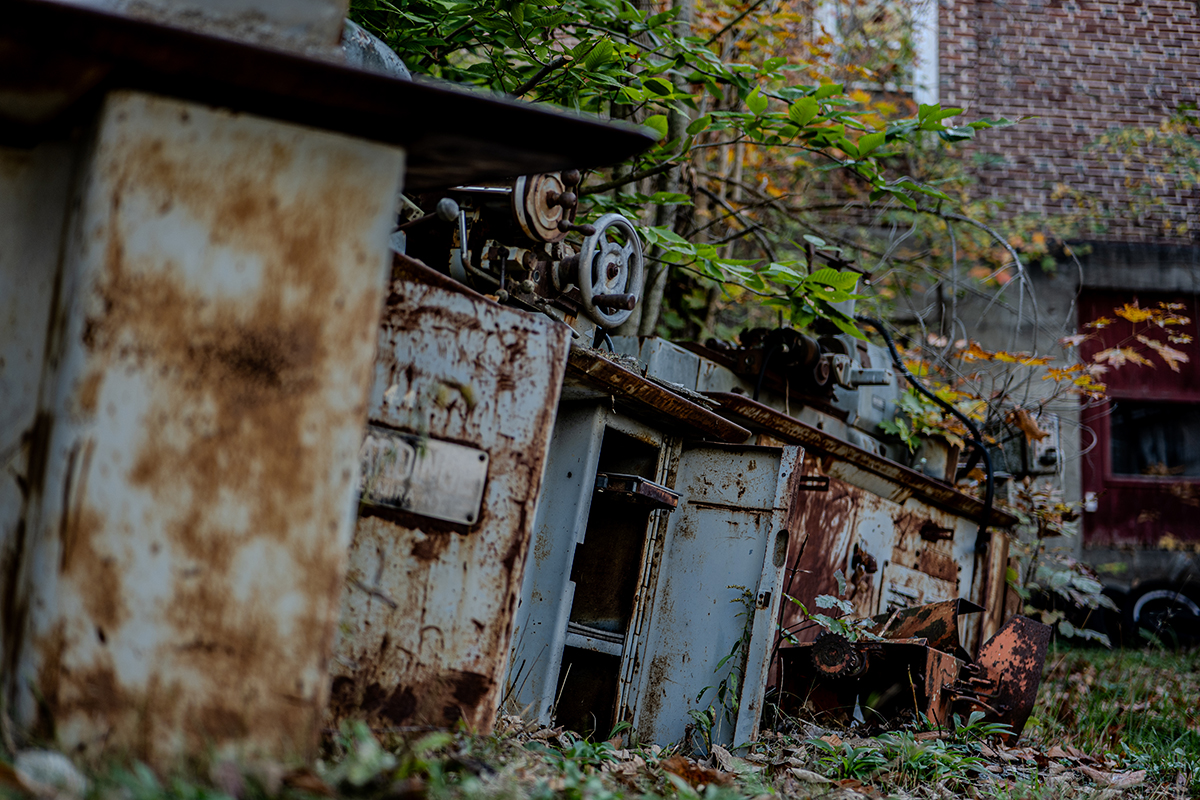
Among the many tributaries to the Connecticut River is the Sugar River, which runs through the town of Claremont, New Hampshire. Claremont is the only city within the Sugar River Region and the fourth largest in the state. Sitting on the state line with Vermont and in the shadow of 3,144 foot tall Mount Ascutney just across the Connecticut River in Vermont, the town of 13,000 saw significant prosperity from industrial pursuits such as textile mills and brick factories around the turn of the 20th century but as is the case with many communities with similar industrial foundations, saw a significant decline over the century to follow.
Image
In 1962, a small ski area located on 1080’ Flatrock Hill in Claremont, was originally called Arrowhead Skiway. It boasted nearly 600 feet of vertical relief on 30 skiable acres, and was served by two Poma lifts. For over a decade, the ski hill experienced numerous ownership changes and foreclosures, before being acquired by the City of Claremont in 1974. Non-profit Arrowhead Recreation Area was formed that year as well, and would manage use of the land throughout the year.
Image
Arrowhead would continue to struggle for several years, due to inconsistent snowfall, operational logistics and costs, as well as competition from the scores of larger ski areas that surrounded it. Ski operation eventually reopened in 2003 on a foundation of volunteerism from the Arrowhead Recreation Club, which operated out of the A-frame at the base of the hill. What was once a ski area with 600 vertical feet to play on, along with two Poma lifts and a snowcat, would become a much more modest but sustainable operation with 120 vertical feet and a rope tow.
Claremont as an adventure hub:
Audio file
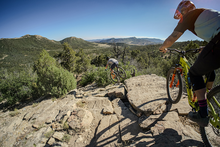
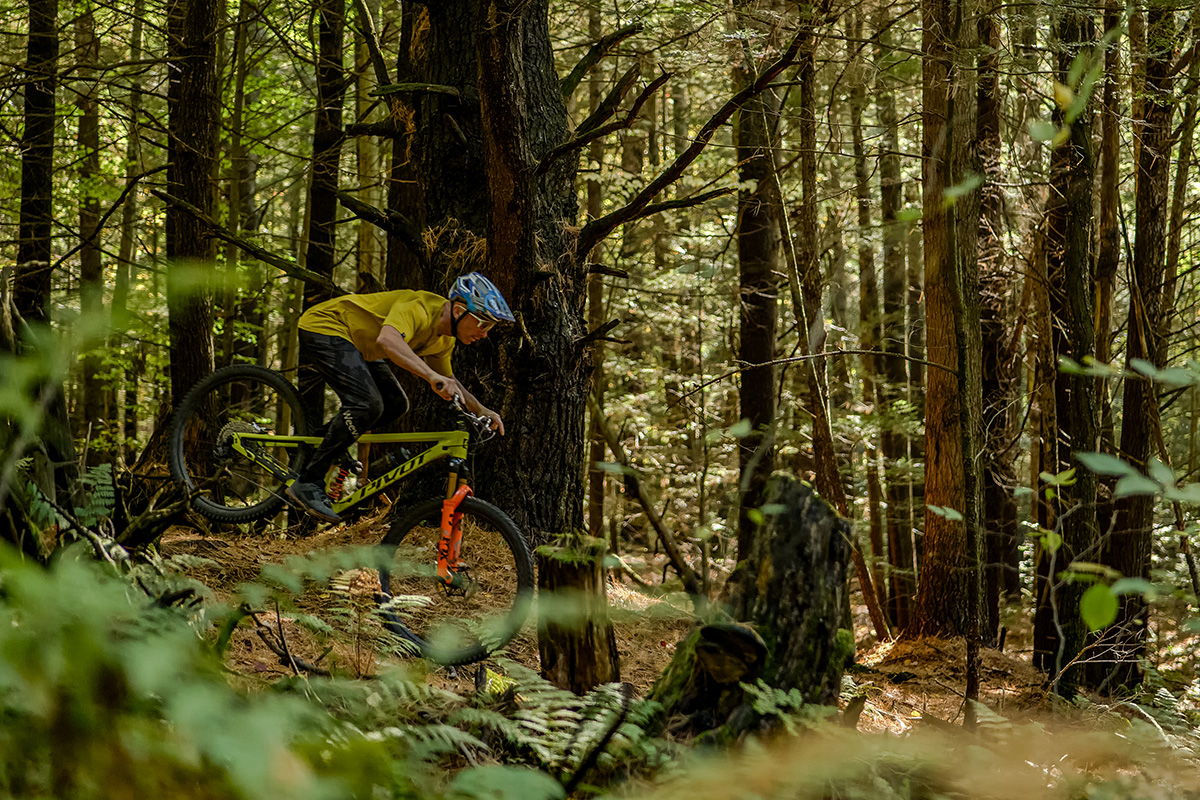
Mountain bikes made their first notable appearance when The Goodwin Community Center hosted an "All-Out" mountain bike weekend at Arrowhead in 1998 and 1999, which included downhill races on the former ski trails. Like many of New England’s finest trail networks, Arrowhead’s origin story involved a heaping helping of clandestine trailwork from the area’s small but dedicated contingent of trail gnomes, but well kept secrets don’t usually stay well kept for long, and eventually the stellar terrain at Arrowhead began to turn heads.
Image
“This hill wasn’t completely forgotten,” Rob Walker says as he explains the origin story of the current Arrowhead trail network. “The non-profit had been managing the winter, but anything else that happened here was basically a free-for-all. We didn’t really have any guidance or trails. There was a little bit of infrastructure here from some NORBA races in the late nineties that were intended to function as fundraisers. Race day would come, shit would get scratched in, and then the trails just disappeared, so there were some bones here, but not much else.”
Listen to the origin story:
Audio file
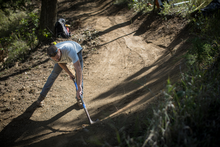
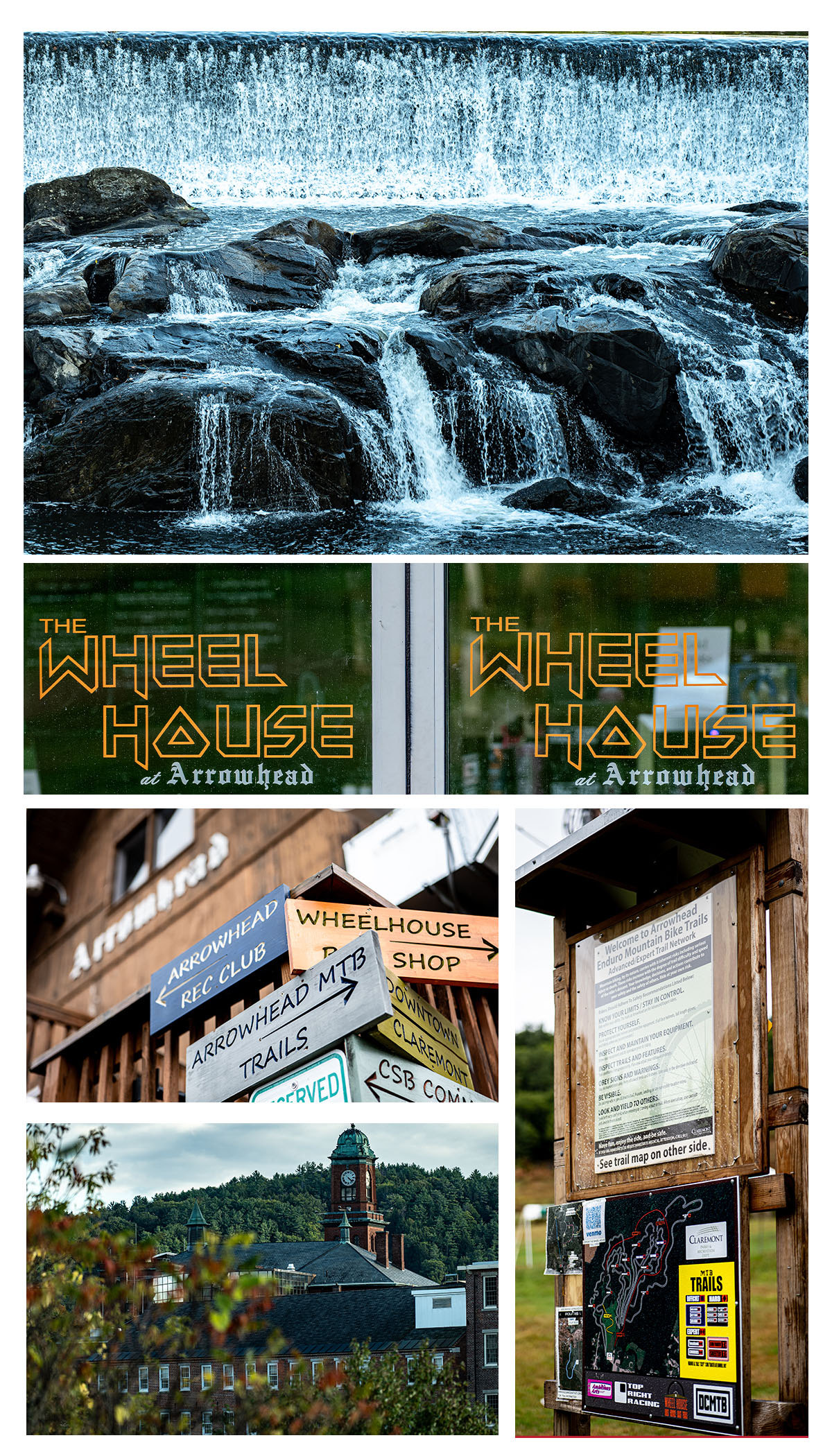
Rob is a co-owner of The Wheel House, a full service bike shop that shares the A-frame building at the base of Flatrock Hill with the non-profit that runs Arrowhead Recreation Area. Rob, alongside fellow Wheelhouse co-owners Eli Burke and Matt Hall, are not only responsible for shop operations, but are also tasked with trail building and maintenance during the riding season on the hill. The trio hosted an invite-only enduro aptly called “Broduro”, with a questionable timing system on trails that were, at the time, somewhat clandestine, but the legend of Arrowhead grew as word spread among the east coast racing contingent and in 2019, Matt received a call asking for an Enduro World Series qualifying event to be held on the trails prior to EWS stops in Vermont and Maine.
Image
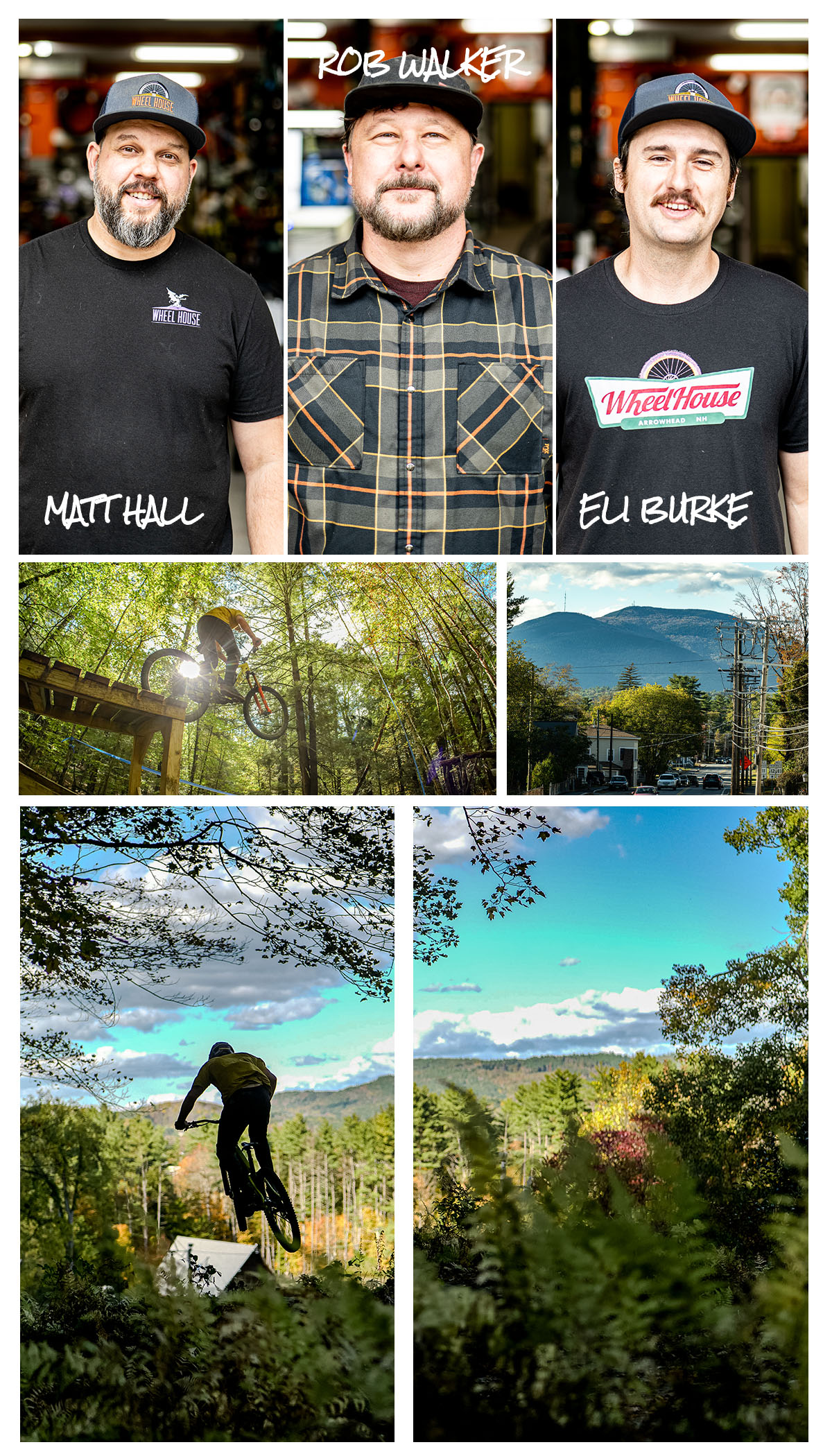
“I completely abandoned Matt for an entire spring and summer getting those trails ready,” Rob says with a laugh. “We went to town connecting these standalone lines into complete trails. It’s nothing like what we have today, but it’s how these trails as they are now got started. After we hosted that race, we had a couple of local politicians and area businesses express some interest in the trails after seeing 1,000 people at our first event.”
“Yeah Rob and I were walking down from doing some trail work after that event,” Matt adds. “And I remember looking at this a-frame and saying out loud that it would be cool to have a bike shop at the mountain. That created a bit of a snowball effect and two years later we were in this spot.”
Image
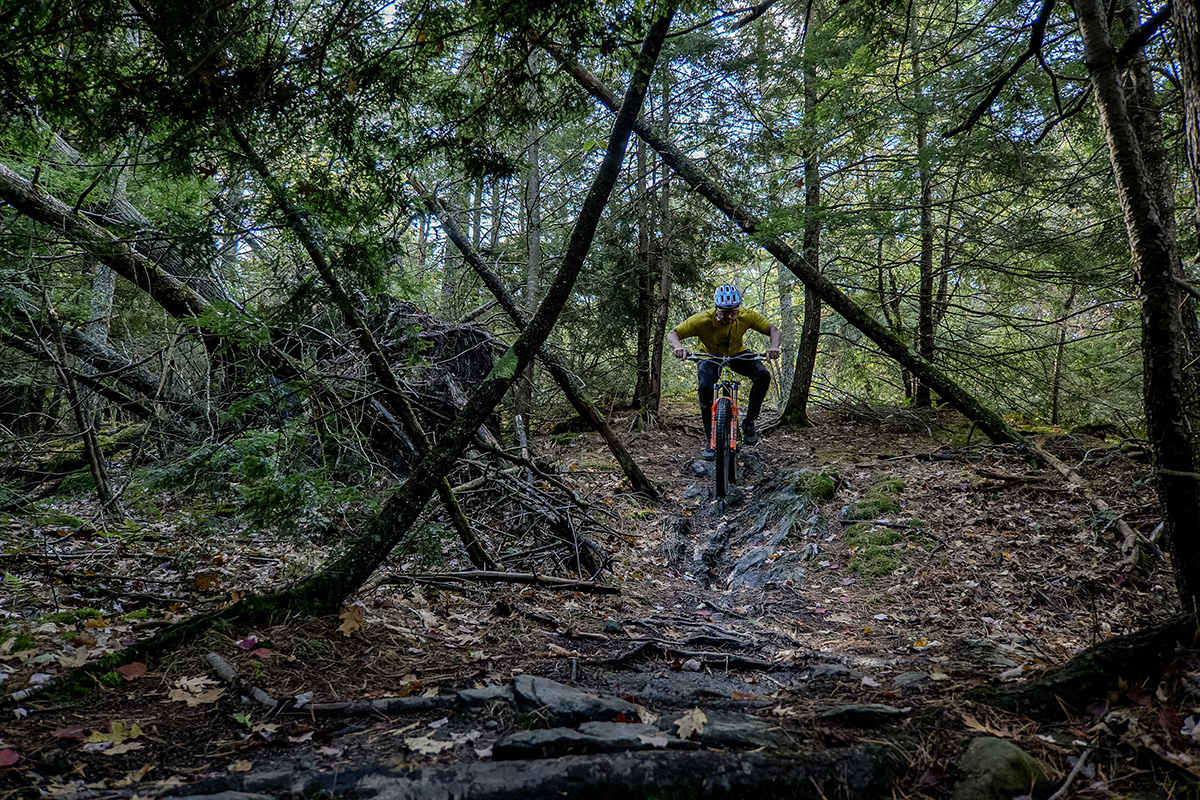
Rob began researching the non-profit that occupied the a-frame and wanted to better understand its funding mechanisms. He discovered that Claremont was in a financial situation that allowed for the privatization of certain assets in town which led to concern over the trails being privatized as well. Rob then did some homework exploring the dynamic of private businesses working in public spaces and assisting non-profits, which - unsurprisingly - is a decidedly niche arrangement. He discovered something called the Land and Water Conservation Fund, which gave the State of New Hampshire governance over the Arrowhead land. The LWCF requires that any business entity that occupies this space serves to promote outdoor recreation. The non-profit also has a mission statement that includes 4 seasons of outdoor recreation, but lacked the bandwidth to manage much beyond the winter, which led to conversations between The Wheelhouse and the non-profit and the eventual partnership that we see today.
More on the LWCF:
Audio file
Image
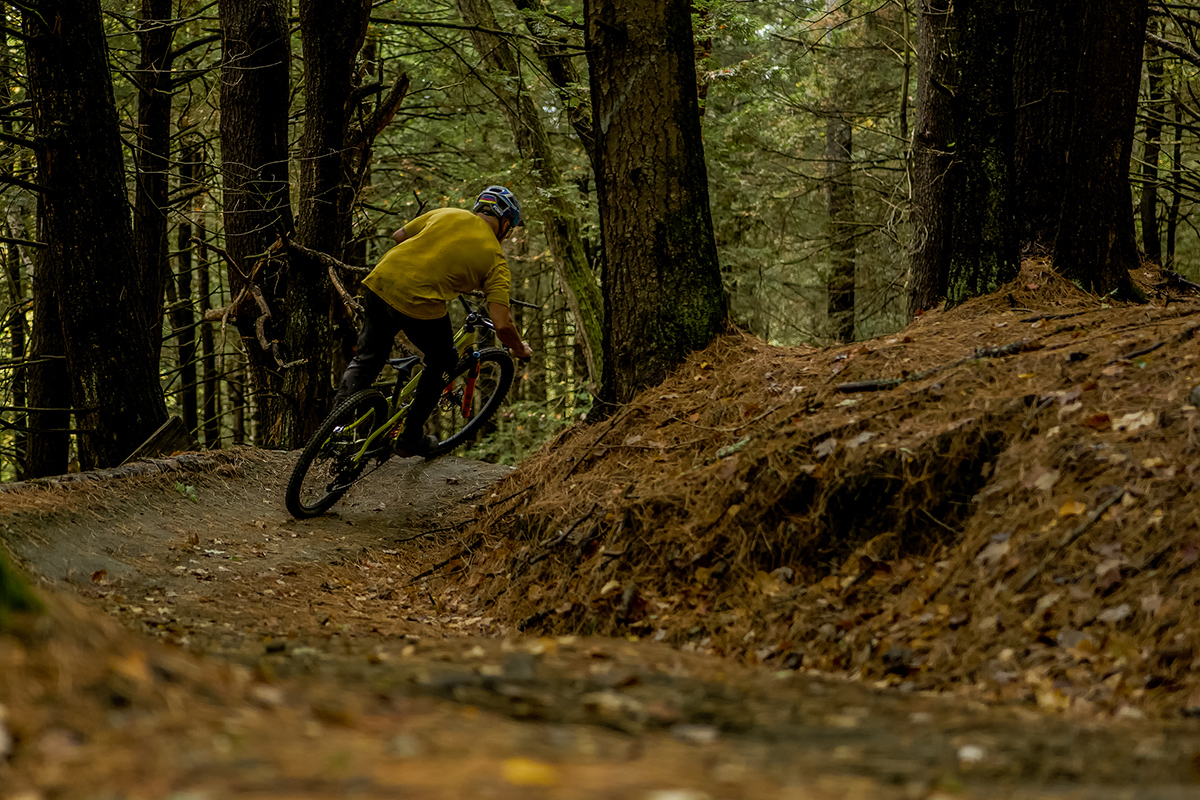
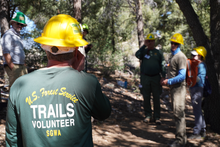
“We are the operators of this mountain,” Rob says with a smile. “Kinda like the way Vail operates a ski resort except we aren’t Vail, we’re just three dudes who run a bike shop. We don’t have that kind of money or resources, but we do have a strong work ethic and a whole crew of volunteers behind us. We are the operators through the spring, summer and fall, and then we hand the keys over to the non-profit for the winter. We support each other really well, and the whole community is really coming together to have this thing stand out.”