IMBA Trail Development Process
The IMBA Trail Development Process provides a comprehensive roadmap for communities aiming to build and sustain thriving trail systems. This process is composed of a series of interconnected steps, where the success of one phase is critical to the long-term viability of the next.
The foundation of the entire process is Community Engagement, the work of bringing people together to forge a unified voice and build a shared vision for the trails. With this community support established, the focus shifts to securing the necessary permissions, namely Access (building relationships with land managers) and Funding (sourcing financial support).
These efforts pave the way for the technical phase: Inventory (analyzing the landscape) and Planning and Design (creating the detailed trail map and plan for the network). This is the key moment where a community's vision is translated into a buildable reality.
Following the plan, Construction is the physical act of implementation: creating the trail, bike park, or associated trail amenities. Finally, the focus shifts to long-term Stewardship, which ensures trails are maintained, promoted, and cared for so they can be enjoyed as successful, living resources for generations to come.
Vision in Iron Hills
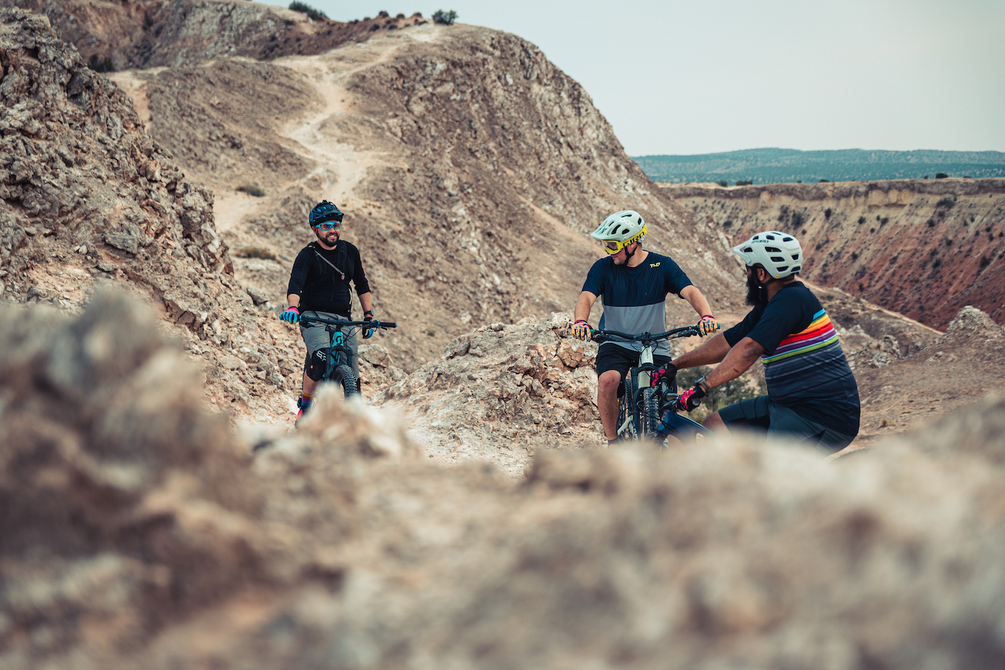
In Cedar City, Utah, the vision for trails is to provide a connection for communities. The goal is to provide a nearby trail experience for every community in the region, so that more people can spend time on trails. Now, the community sees walkers, dog walkers, runners and riders
“We looked at this piece of land and thought, how can we provide recreation? Now, we see a lot of walkers, dog walkers, runners, riders; and a lot of those people don’t drive to the trailhead, they actually walk or run or ride to the trailhead.” –Dave Jacobson, Bureau of Land Management Recreation Planner
9kpDbJKo4RM

The Eight Steps of the IMBA Trail Development
- Community Engagement: Developing the relationships needed to make progress on trail projects.
- Funding: Sourcing and leveraging financial support to pay for trail development and maintenance.
- Access: Gaining and protecting permission to ride or develop trails on public land.
- Inventory: Identifies existing trail assets and community values to establish a foundation for the planning and design.
- Planning: Planning generates a high-level vision for trail possibilities. Design lays out on-the-ground trail alignments and elements.
- Design: Design lays out on-the-ground trail alignments and elements.
- Construction: Building trails guided by the vision, plan, and design.
- Stewardship: Maintenance and promotion of trails once they are complete.
Trail Development Resources
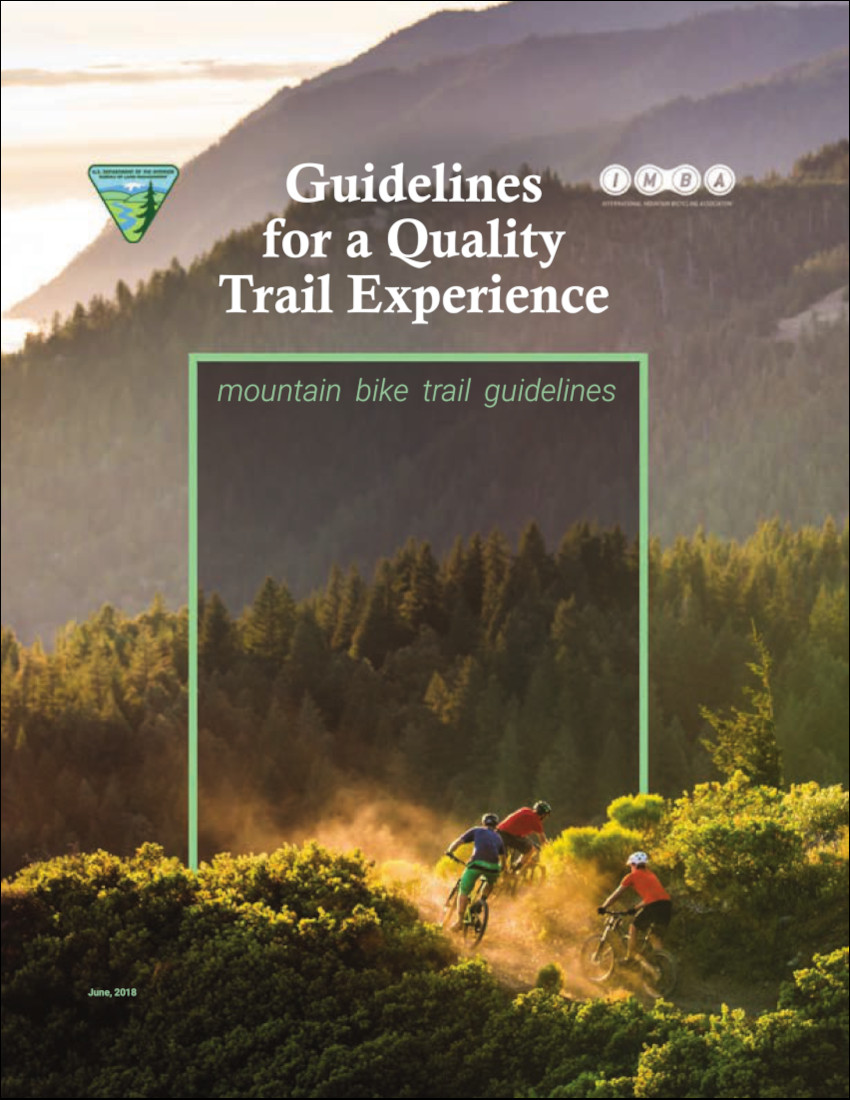
Guidelines for a Quality Trail Experience
Guideline to improve design, construction, and management of trails.
Learn More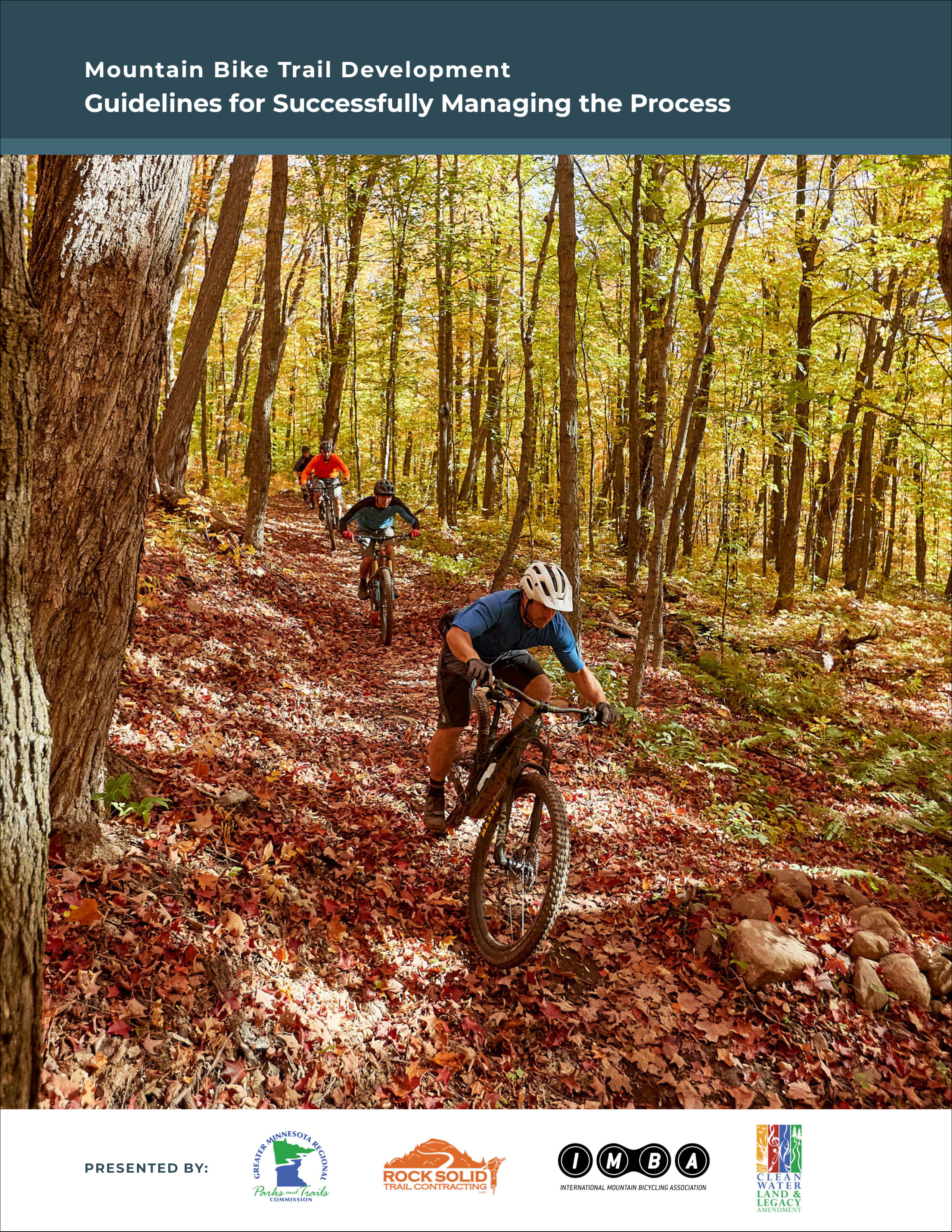
Mountain Bike Trail Development Guidelines
A guide written for land managers bringing bike-optimized mountain bike trails to their communities
Learn More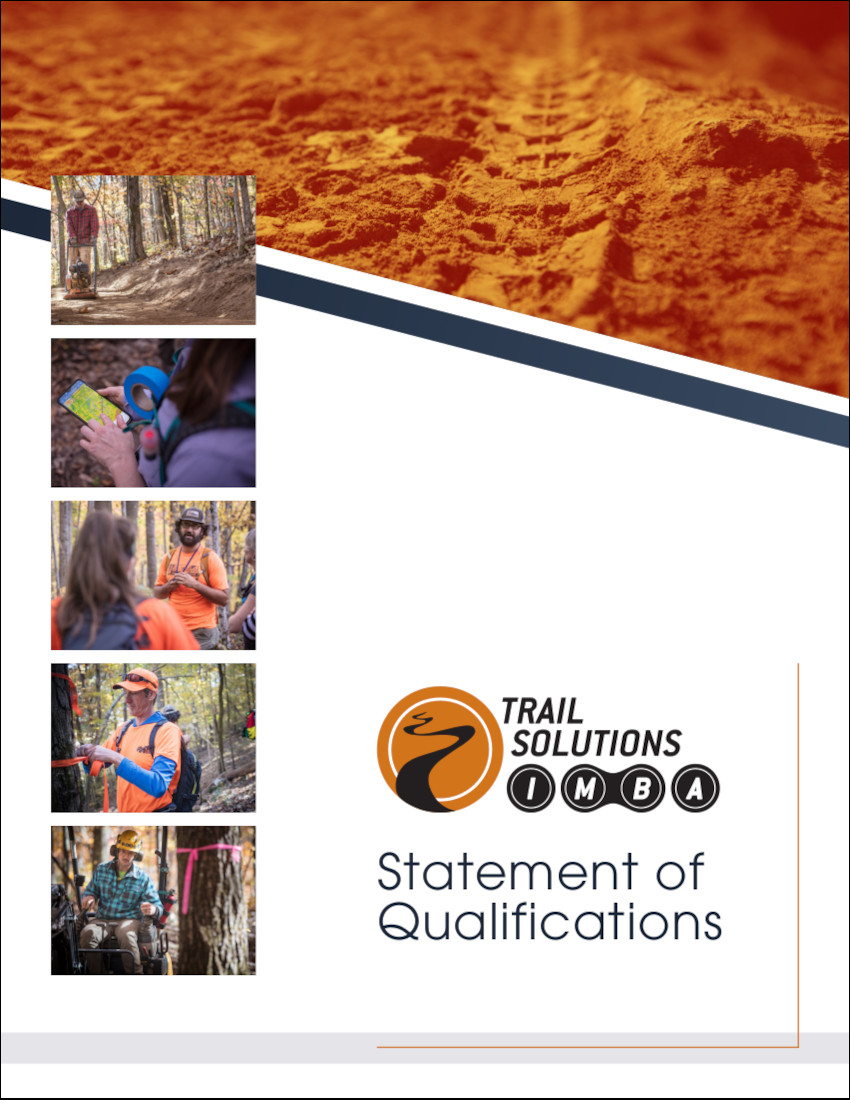
IMBA Trail Solutions - Statement of Qualifications
A glimpse into our expertise and a few representative projects
Learn More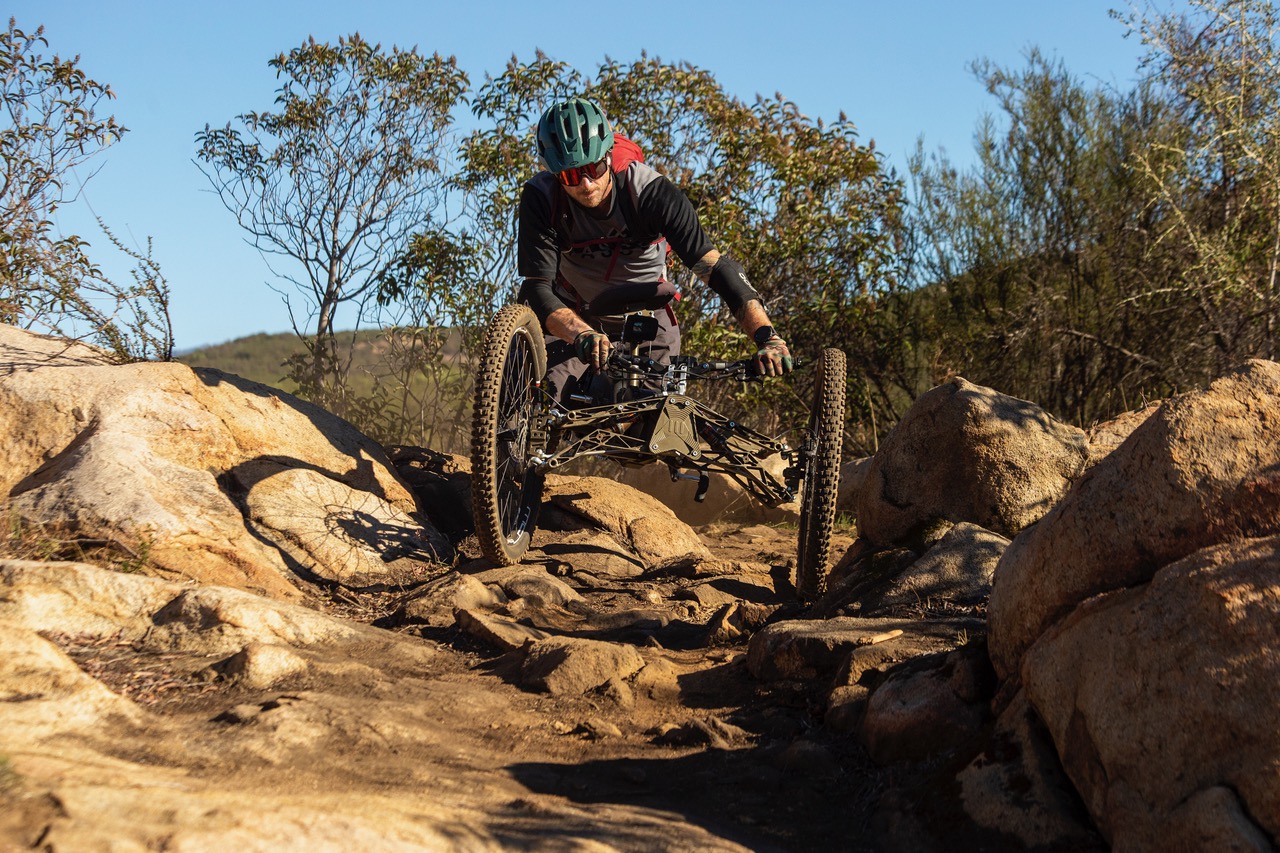
Adaptive Mountain Biking: Trail Design for Accessibility and Reduced Risk
This webinar explores best practices for designing safe and accessible mountain biking trails that accommodate adaptive riders. Experts discuss how trail width, slope, surface material, and technical features impact accessibility and user experience.
Learn More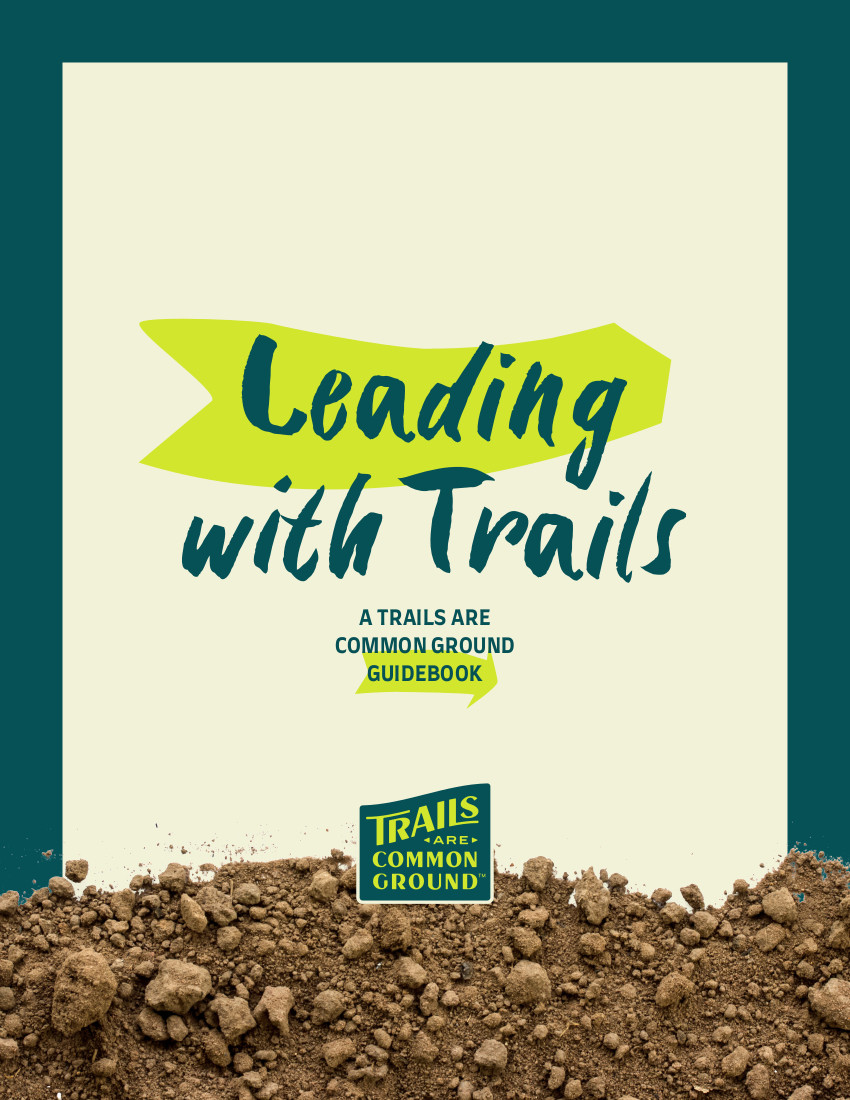
Leading With Trails — A Trails are Common Ground Guidebook
A Trails are Common Ground Guidebook
Learn MoreTrail Development Programs & Workshops
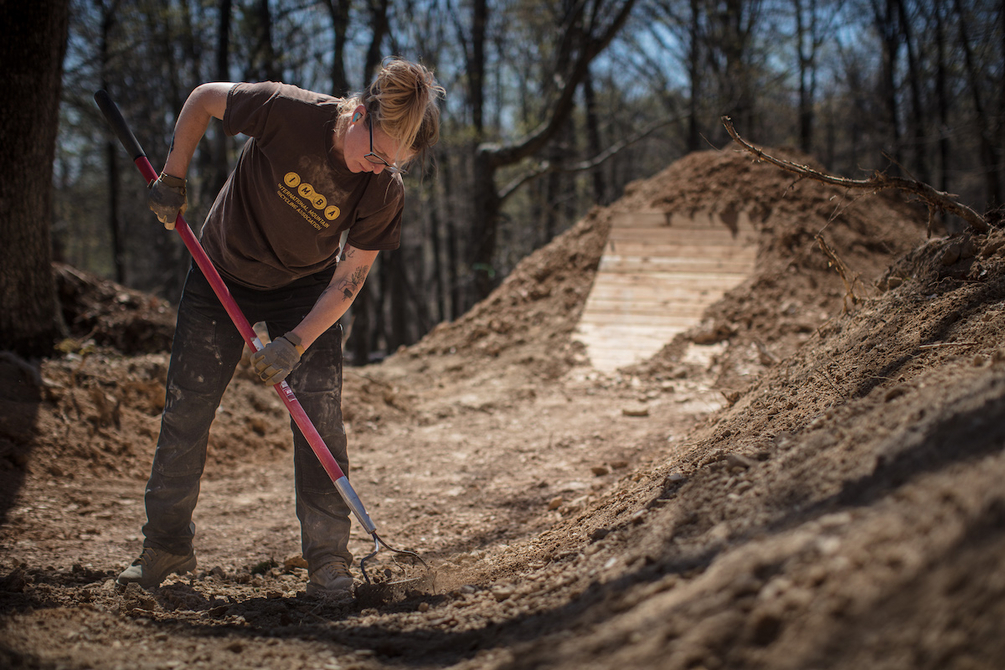
IMBA Trail Solutions
Partner with IMBA professionals to inventory, plan, design, build and sign your trail vision.
Learn More