Inclusive, Close to Home Riding
in this Midwestern Metro
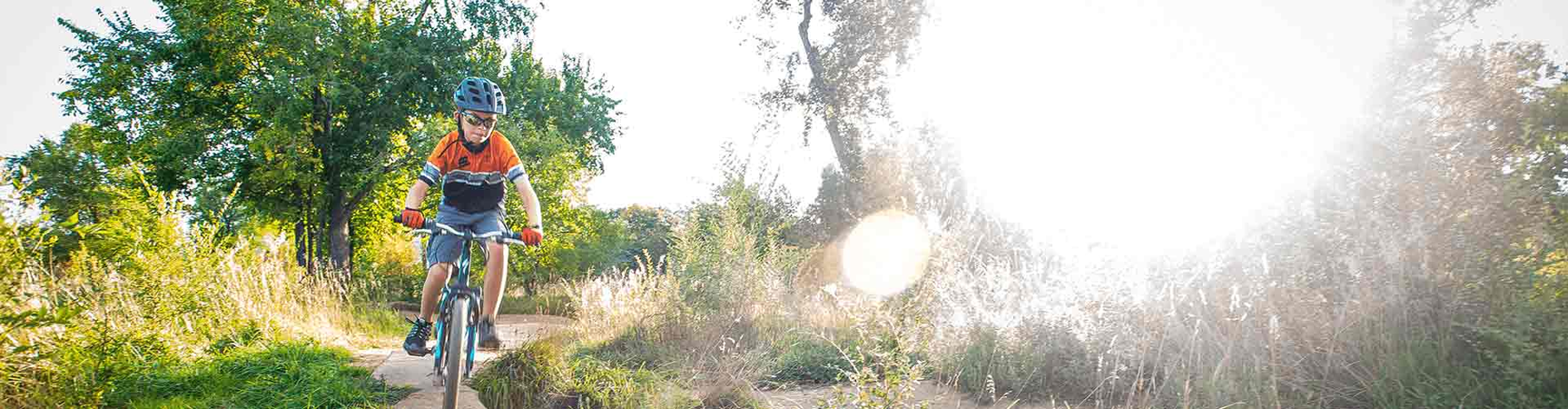
Thanks to partnerships across the city, IMBA and partners have identified key zones for trail development that get more trails closer to where more kids are.. With pump tracks, skills clinics, and trails in underutilized city parks, increasing access and ridership is well under way.
A Question Mark
Plopping a modular pump track into a park is like placing a question mark into the mix of a series of declarative sentences. “What happens after that is all about learning and supporting the South Omaha community. There is not a definitive outcome that has been predetermined by folks such as myself. I think getting the answers is going to be an interesting story,” said Jason Brummels, Trails Have Our Respect’s Executive Director.

Intentional Green Space in South Omaha
Mandan Park in southern Omaha was created with the best intentions: to be a dedicated greenspace for families and kids in the surrounding neighborhood to enjoy.
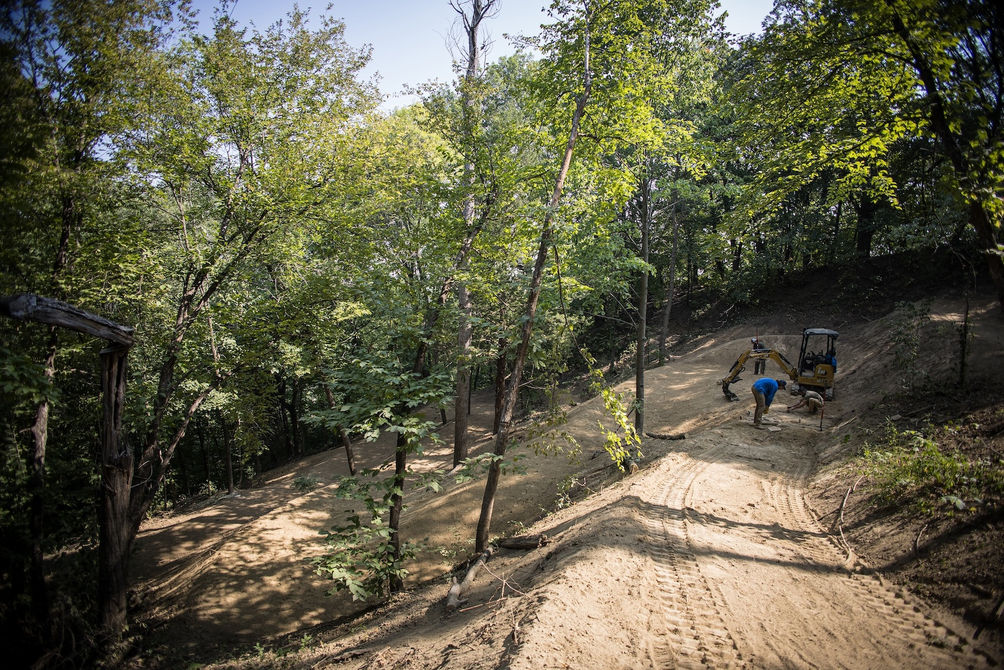
Working with Trails Have Our Respect, Police Athletics for Community Engagement (PACE), the City of Omaha, and many other community partners, IMBA Trail Solutions was brought in to reimagine and reclaim this original dream. In 2022 and 2023, 4 miles of beginner-friendly trails and a dedicated skills area were added to the 18-acre park.
Prioritizing Inclusion
On August 1st, IMBA, alongside the Nebraska Interscholastic Cycling League and Trails Have Our Respect hosted a mountain bike skills clinic and anti-racism event with Anita Naidu.
Area cyclists were coached by Naidu, an athlete, mountain bike coach and international humanitarian, on handling skills and increasing their confidence on a bike. Afterward, riders and local community stakeholders gathered for an open roundtable discussion about race and anti-racism education.
In Omaha, Nebraska, Trails Have Our Respect (THOR) and IMBA Trail Solutions are transforming neighborhood parks into accessible gateways to outdoor adventure. By focusing on underserved communities and creating trails close to home, the partnership is redefining how urban residents experience nature. Their work proves that world-class trail systems don’t require mountains—just collaboration, vision, and a commitment to access for all.
IMBA’s Kate Noelke caught up with Jason Brummels of Trails Have Our Respect (THOR) and IMBA Trail Builder, Harrison Dixon, about the data-driven and inclusive, community-centered strategies that power the momentum for trails in the “gateway to the west.
Image
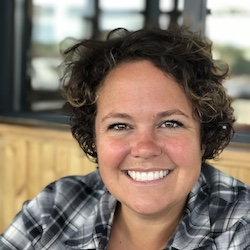
| Kate Noelke, IMBA There are so many phases in the trail development process—community engagement, funding, access, assessment, design, construction, and stewardship. Which phases are you most engaged in, and which have you partnered most closely with IMBA on? |
Image
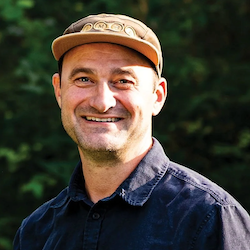
| Jason Brummels, Trails Have Our Respect Our organization is involved in all those phases. Over time, IMBA’s education and guidance have helped us identify where to build internal capacity—whether in community engagement, design, construction, stewardship, or education. IMBA has been critical in helping us understand what we don’t know, and in pinpointing where to focus resources to keep moving forward strategically. One of the most important aspects of our work—and for any group serving metro areas—is remembering that not everyone starts with backcountry mountain biking. Most people are introduced to trails in their neighborhood parks. Especially for people who haven’t had trails in their communities before, these urban parks are essential gateways. They provide a first experience of life outdoors and help people build comfort and confidence close to home. Our Omaha Natural Surface Trails Feasibility Study helped build a shared community vision. Dozens of partners—youth programs, community developers, and others—came together to shape it. Because we approached trails as tools for community development and youth engagement, not just recreation, we’ve been able to leverage that vision into consistent, ongoing projects. We now have a ten-year roadmap for trail development, and every day we’re discovering new opportunities. |
Image
| Kate When you started to get involved in all of the phases in Omaha, in these kind of urban centers, in a park that's potentially bound by all of the expectations and rules that come along with municipalities and working with a city, what potential did you see? |
Image
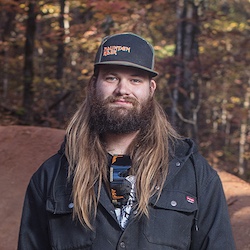
| Harrison Dixon, IMBA I was involved in every phase—from the first work at Mandan Park, where we partnered with the PACE athletic group to clean up the park and start a summer camp for kids, to the next year’s phase, when we added PBR features—man-made wooden structures to make the trails more dynamic. Then we moved on to Adams Park, where we used a chip-seal process to make trails rideable in all weather, and added an all-wheels zone and skills playground with teeter-totters and cones for younger riders. Omaha’s potential was huge, mainly because of accessibility. Many neighborhoods didn’t have trails nearby—you had to drive 20 or 30 minutes to reach one. Now, people can ride straight from their homes to the trail system. That access has really grown the local biking community. |
Image
| Kate Thor hasn't shied away from developing new trails close to where people live, even in some pretty challenging areas or underserved or underrepresented areas of the different communities in Omaha. Tell us about how inclusive access shapes Thor's work. |
Image
| Jason Inclusive access is central to our mission. If we want to cultivate more trails close to where people live, we must build systems for the broadest possible audience—including those historically left out. Trails for all people, places, and populations—that’s how we grow the community and gain support from enthusiasts and first-timers alike. |
Image
| Kate What have been meaningful moments in the development of trails in and around Omaha? |
Image
| Jason There are so many meaningful moments. Seeing new families on the trails—families who tell us, “Maybe the outdoors really is for us”—is powerful. Trails are a flexible medium; we don’t dictate how they’re used. We listen, we build for broad access, and communities make the spaces their own. Every week, we see youth programs and new groups using the trails—Omaha Parks, Keep Omaha Beautiful, Girls Inc., NorthStar. They’re creating their own opportunities. That’s what motivates us to keep going. |
Image
| Harrison It’s been awesome seeing the transformation in Omaha—from the early Mandan Park cleanup to new youth programs, from Adams Park’s progressive trails to kids’ summer camps buzzing with energy. Watching people enjoy what we built is the best reward. For me, seeing the transformation at Mandan Park was huge. Between the first and second phases, the park completely changed—cleaner, more active, more alive. It showed how a relatively small project can make a lasting community impact. |
Image
| Jason We may be off most people’s radar, but I truly believe that with the right approach and partnerships, every town can be a trail town. We approach our work from a mindset of abundance and collaboration—not competition—and that philosophy continues to unlock the potential of our communities. |
Listen to the full interview:
While you are in the area...
Sioux City, Iowa
Sioux City is a short drive from Omaha and home to Cone Park, another project stewarded by THOR (Trails Have Our Respect) in partnership with IMBA. IMBA's Planning and Design team provided their expertise in the early stage of this project, and we returned to get the folks on the ground the skills needed to sustain this community resource.