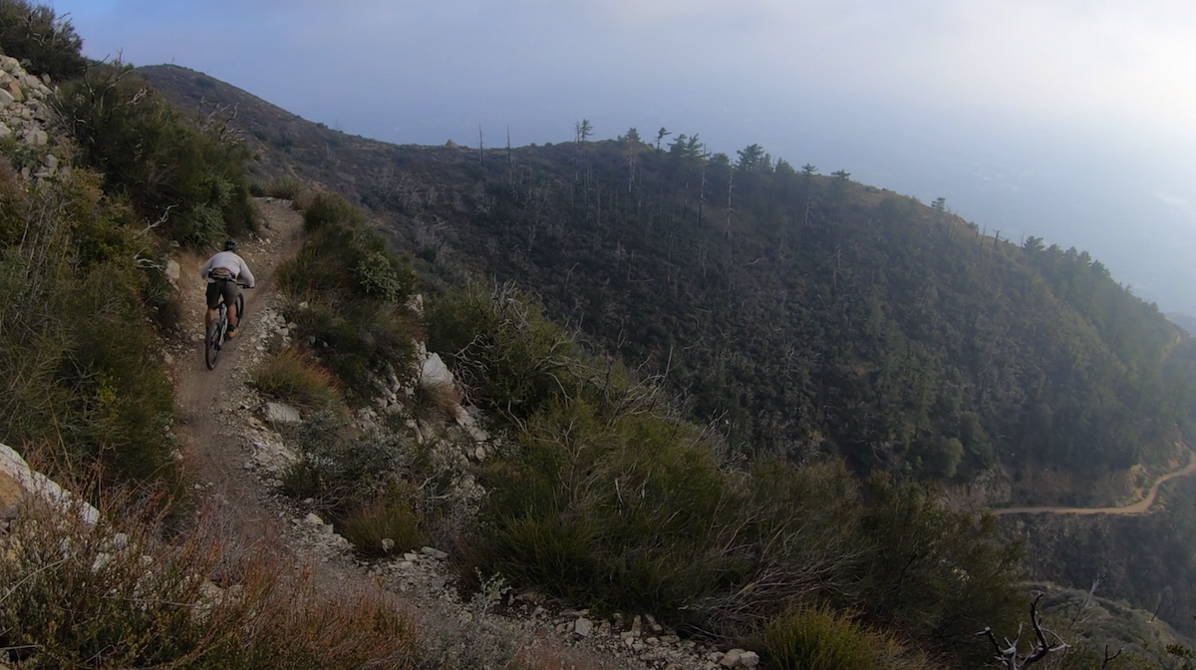
The birthplace of IMBA and some of the most intense riding in the United States
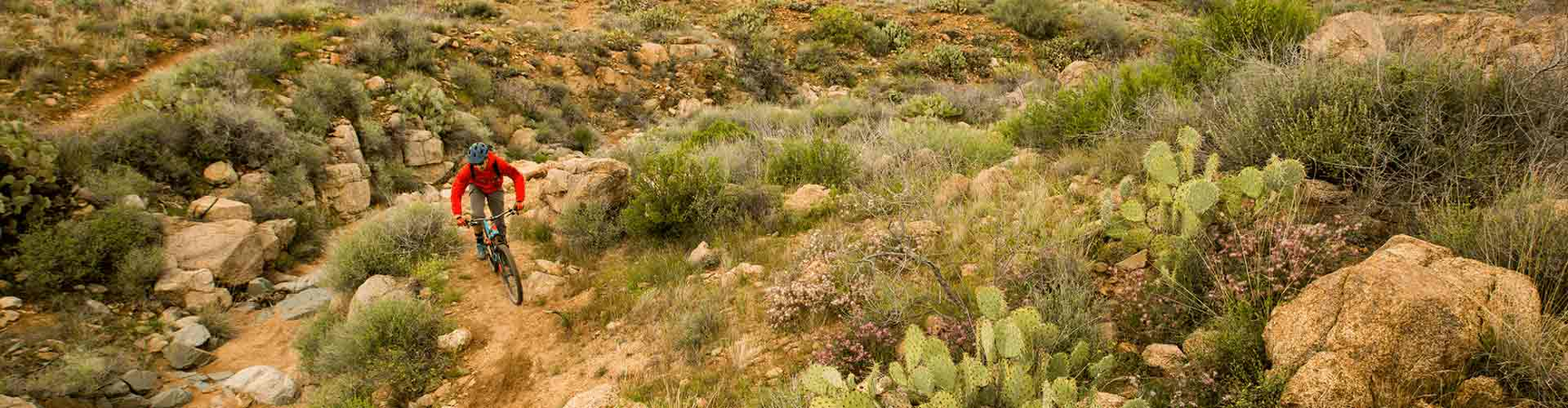
Home to over 25 million people (two-thirds of the state's population), Southern California is known for its ecological diversity; popular beaches; perfect weather; and dramatic desert open-spaces. SoCal has a rich history of partnerships that have grown out of sometimes deep opposition into flourishing collaborations; and pirate builds on unsanctioned trails to some of the most impressive, maintained trails in the country.

Innovating for Access + Conservation
Stewarded by six IMBA Local Member Organizations and the California Mountain Bike Coalition (representing over 250k riders across the state), SoCal riders have worked with IMBA for 30+ years to navigate the balancing act of protecting access for mountain bikers while ensuring conservation of natural resources. The result: an ongoing commitment to innovation, partnerships, and advocacy.

Combining Education Initiatives
IMBA has taught Trail Management Schools and Trail Care Schools in California for decades. With partners like Shimano, supporting stacked learning opportunities for land managers and volunteer stewards alike, Southern California’s skilled trail steward workforce continues to grow. “By learning how to be good stewards of this area in our own backyard, we’re building a culture of giving back and leaving the trails better than we found them.” Steve Blick, Shimano
Sustainable Trails As Tools for Conservation
Hear from the Laguna Canyon Foundation, OC Parks land managers and local mountain bikers on their thoughts of these two programs through IMBA Trail Labs. Learn more about IMBA's educational offerings:Trail Labs - Programs and Workshops
Meet the Trail Stewards
Hear from the trail stewards from the MWBA & LoweLifes Respectable Citizens' Club. They're two groups with different missions working symbiotically to care for the legacy trails that traverse the forest.

Inclusive Trail Stewardship in the Angeles National Forest
In 2018, the Mount Wilson Bicycling Association and the Concerned Off-Road Bicyclists Association organized a trail summit. The 4-day summit focused on leveling-up stewards for advocacy, policy, and the administration. In February 2023, IMBA was welcomed back and this time, trail users came together for a two-day training to learn the skills necessary to maintain the trails.

How a Trail Care School Unfolds
IMBA Trail Care Schools, Trail Management Schools, and Trail Accelerator Workshops are the tools communities ask for to improve their existing systems, manage steward relationships, and get community buy-in for new trails. With IMBA Trail Care Schools, not one is the same. In fact, each one is tailored to the needs of the community that has requested it.

Shared Learning for Impactful Stewardship
Needed escape from densely populated metropolitan areas like San Diego brings hundreds of thousands of people every year into the Cleveland National Forest. These ecosystems experience major impacts from the increased usage and the shifting climate.

Creating Common Ground
“Tribalism in recreation is real and can veil the commonalities that would otherwise allow us to transcend our differences,” said Anzalone. “When we take the opportunity to focus on a shared higher purpose, i.e. taking care of the places we love and the trails that take us there, the potential for progress reignites.”
California’s mountain biking movement isn’t a moment. It’s a steady drumbeat of collaboration, advocacy, and community leadership that is redefining what trail access means. From wildfire-smart trail systems to statewide policy power and youth-access equity, California is demonstrating how consistent organizing creates lasting trails and resilient outdoor communities. California has activated a statewide coalition model other states are now turning toward to expand access, strengthen stewardship, and ensure more people can ride more trails close to home.
IMBA’s Kate Noelke caught up with Steve Messer, President of both the statewide California Mountain Biking Coalition and IMBA Local Chapter, Concerned Off-road Bicyclists Association, and IMBA Director of Local Programs, Anthony Duncan, about the state of trails, education, and mountain bike advocacy in California.
Image
| Kate Noelke, IMBA Why trails and mountain biking? |
Image
| Steve Messer, CAMTB/CORBA CORBA formed because state parks didn’t know who to communicate with when mountain biking emerged in the 1980s. Riders gathered at a public meeting organized by the Santa Monica Mountains Conservancy, exchanged numbers, and some of those early advocates became founders of CORBA and IMBA. Later, IMBA’s state-level regional director helped unite California clubs. When that program ended around 2018, we recognized the need for a statewide voice. In 2019, at the California Trails and Greenways Conference, five groups committed to forming CAMTB, and we’ve met weekly ever since. |
Image
| Kate How much of your work focuses on maintaining existing trails and on advocacy? |
Image
| Steve The shift toward local trails close to home for local organizations, combined with statewide work through CAMTB, has strengthened our relationship with California State Parks. Our advocacy at the statewide level has benefited local organizations. We now have a stronger seat at the table with land managers across California, increasing cooperation and helping secure agreements that support access and stewardship. |
Image
| Kate IMBA works across the full trail development lifecycle—from engagement to design to stewardship. What phases have you partnered on? |
Image
| Steve While we haven't had many opportunities to build new trails in Southern California, we have supported new bike parks. For example, IMBA Trail Solutions created a conceptual plan in 2018 for what is now Haskell Canyon Bike Park. The city used that plan to secure land and funding, expanding from 60 acres to 500 acres. That project is now under construction and will be the largest municipal bike park in the country. IMBA’s conceptual plan was the foundation. IMBA’s Region 5 agreement with the Forest Service, enabling trail care schools, has been critical. I attended one in 2003, which sparked my involvement in trail work. Trail Labs, Trail Solutions, and crew trainings have all played a role in California. We also benefited from IMBA-supported funding programs like the Legacy Trails Grant, which supported projects on the Inyo and Los Padres National Forests. California’s regulatory environment makes new trail construction challenging, but IMBA’s support—and CAMTB’s statewide coordination—has helped bridge gaps and support groups statewide, including those who are not IMBA-affiliated. Much of our shared work has been in policy and legislation. IMBA's Government Affairs team has been a powerful partner at both state and federal levels. CAMTB is a 501(c)(4), allowing political action. We’ve supported mountain-bike-friendly candidates and increased representation in decision-making bodies. Laurel Harkness helped plant the seed for statewide coordination, and today we’re seeing the payoff. |
Image
| Anthony Duncan, IMBA That’s where IMBA’s role with CAMTB really comes in—learning from examples like CORBA and sharing that knowledge statewide to help other organizations address challenges and seize opportunities. Michael and I meet monthly to compare notes, align strategies, and support individual organizations on specific issues. It’s about functioning as a cohesive team to get the results we all want to see. CORBA and other California organizations face massive regulatory issues and challenges, working with multiple land management agencies, each with its own complexities. To succeed, organizations need to be high-functioning, and CORBA is a great example—they are willing and able to take on huge challenges. Working with Michael, we've focused on helping organizations around the state build capacity and influence similar to CORBA’s. It takes a team, research, time, and resources to make that happen. |
Image
| Kate That's so cool—it's a drumbeat that doesn't stop. California is such an incredible role model for other states. Advocacy doesn’t just happen in reaction to acute issues, like threats to trails or outdoor recreation funding. You’re showing—with CAMTB and affiliated organizations—that this is ongoing work, a daily drumbeat of presence. It's a powerful picture and story to share with organizations across the country. |
Listen to the full interview: